 Settled OverseasSomeday Doesn’t Have to Become Never.

Move to Panama prepared — not guessing.
The pensionado route to permanent residence, a real remote-worker visa, five places with dated asking rents — and the official gaps printed where the paper could not be captured. Checked, dated, sourced.
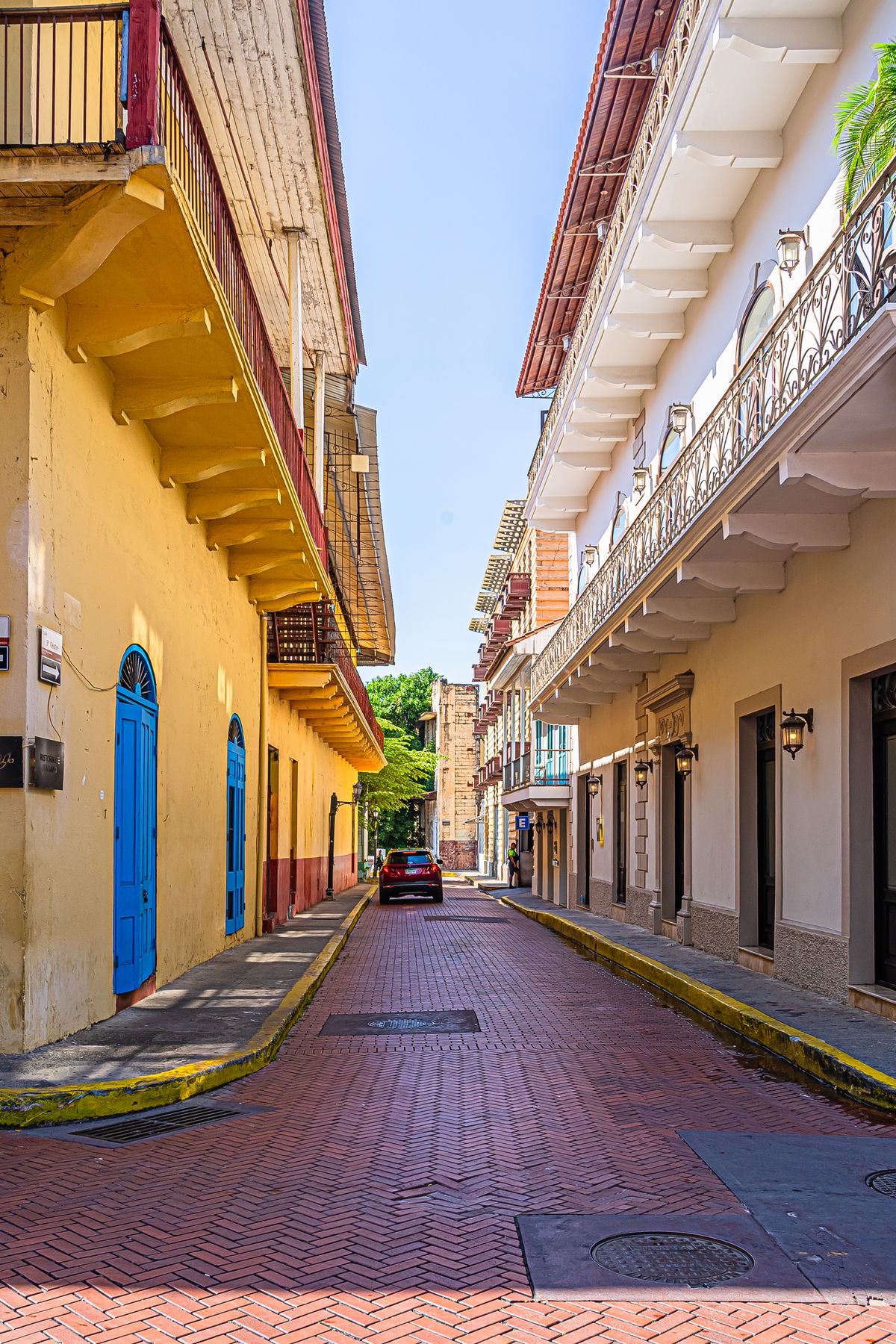
Panama, honestly.
Panama runs the best-known retiree route in the Americas and one of its clearest remote-worker visas — in U.S. dollars. The Pensionado permit turns a lifetime pension of B/.1,000 a month into immediate permanent residence; Friendly Nations covers workers and investors without a pension; and Executive Decree 198 gives remote workers nine months, renewable once. On this page: the routes separated by life, five places with dated asking rents, and the gaps printed instead of filled.
The honest parts stay on the page: the B/.1,000 pension line is a visa floor, not a living budget — Panama City asking rents alone can exceed it. Public CSS cover follows employment and contributions; it is not an automatic pensionado entitlement on the evidence captured. And no insurer or broker produced written premiums at 65, 70 or 75 for this research — that gap prints as a gap.
A short history
Panama was part of Colombia through the 19th century, after leaving Spain in 1821 as part of Gran Colombia. An interoceanic railway crossed the isthmus in the 1850s; a French canal attempt in the 1880s failed. Panama separated from Colombia in 1903, and the United States built the Panama Canal between 1904 and 1914, administering the Canal Zone alongside it.
The 1977 Torrijos–Carter Treaties set the transfer timetable, and Panama assumed full control of the canal on 31 December 1999. The canal, the Colón Free Zone, banking and logistics remain the economy's pillars — and the U.S. dollar has been legal tender since 1904.
Who moves to Panama — and on what route
People arrive on different paper. This block separates the routes this country's research actually verifies — with the honest limit of each, and the unverified ones printed as gaps. Checked 8 October 2026.
- Pensionado — permanent residence from day oneA lifetime pension of at least B/.1,000/mo from a foreign government, international organization or private company; +B/.250/mo per dependent; the floor drops to B/.750/mo if you personally own Panamanian property worth more than B/.100,000. Couples may combine pensions. No minimum retirement age (18+); the pension must already be in payment, certified as lifetime. The limit: pensionado residence does not itself authorize local employment.
- Friendly Nations — workers and investors without a pensionU.S. citizens are on Panama's friendly-nations list. The tie is one of three: real employment by a Panamanian company, real estate of at least B/.200,000 in your name, or a B/.200,000 fixed-term deposit (minimum 3 years) in a Panamanian bank. Two years provisional, then permanent. What died in 2021: qualifying with a small deposit and a self-owned paper company — guides still printing that are stale.
- Short-Stay Remote Worker visa — the remote-work routeExecutive Decree 198 (2021): 9 months, renewable once. Foreign employer or your own foreign-registered company, work with effects outside Panama, foreign income of at least US$36,000/yr, and health insurance with coverage in Panama for the whole stay — that insurance is mandatory on this route. Fees from the SNM requirements text: B/.250 + B/.50 card. It is not residency and opens no direct permanent path.
- Qualified Investor — the fast investment doorImmediate permanent residence under Executive Decree 17 of 8 September 2026 (Gaceta Oficial No. 30613), investment held 5 years, funds from abroad. Officially corroborated by the Ministry of Commerce (MICI, 28 Sep 2026): first-sale real estate US$300,000; fixed deposit of US$500,000 at Banco Nacional or Caja de Ahorros. Reported by Panamanian law-firm analyses of the decree — flagged as such, not quoted as decree text: resale real estate US$500,000, securities US$500,000, private-bank deposit US$750,000. Older guides that print one single investor number are out of date — the threshold now runs by asset type.
- FamiliesDependents ride the main permits — spouse and children (under 18; 18–25 if single and studying) — at +B/.250/mo each on the Pensionado. A family-regrouping permit exists for residents' spouses, minor children and dependent parents. Dependents do not gain work rights automatically; a work permit is a separate step.
- Working locally — residence is not a work permitLocal employment needs a MITRADEL work permit on top of residence. Employers are capped at 10% foreign ordinary staff, and some professions are reserved to Panamanians. Forming a shell company to "employ yourself" is treated as a red flag under the post-2021 rules.
The pensionado discounts — Law 6 of 1987
The famous discount schedule is a separate statute from the permit: Law 6 of 1987 (consolidated Texto Único, captured from the official text). It is open to Panamanians and foreign residents — women aged 55+, men aged 60+, and pensioners of any kind. From the consolidated law: 20% off medicines; 50% entertainment admissions; hotels 50% Mon–Thu / 30% Fri–Sun; restaurants 25% (fast food 15%); airfares 25%; buses, trains and boats 30%; private hospital and clinic bills 15%; medical consultations 20%; dental and optometry 15%; electricity 25% up to 600 kWh; water 25% up to B/.30. The consumer agency ACODECO enforces it. A new arrival should confirm which card each merchant must accept.
Status, stated carefully: Bill 226 — which would have raised the medicines discount to 30% — passed the National Assembly in August 2026 and was vetoed by the President on 20 September 2026. It did not become law. The 30% figure is not a current benefit.
Filing, honestly — and the gap we print: applications are filed in person in Panama through a licensed Panamanian immigration attorney; foreign documents need apostille or authentication and translation by an authorized Panamanian translator. Legal sources report government fees around US$300 per applicant and processing commonly 30–90 days on a complete file. The printed gap: the official SNM Pensionado checklist on migracion.gob.pa could not be captured for this page (checked 8 October 2026) — exact official checklist wording, the official fee schedule and dependent-document details stay gaps until they are captured. The self-economic-solvency and reforestation investor routes circulating in guides were not verified against official sources and are not printed as routes.
Health paperwork: entering vs staying. To enter as a visitor: a yellow-fever certificate is required only if you arrive from a country with yellow-fever transmission risk — including airport transits over 12 hours through one. A direct arrival from the United States does not trigger it. No COVID vaccine or test document appears in current entry sources. Note the mirror image: Panama itself sits on other countries' risk lists, so residents travelling onward (for example to Costa Rica or Nicaragua) may need the certificate when leaving Panama. To stay: the SNM checklists captured for the Pensionado, Friendly Nations and remote-worker routes each list a health certificate — in practice a certificado de buena salud issued by a licensed physician in Panama after an in-person evaluation. No vaccination requirement appears in those checklists. Health insurance with coverage in Panama is mandatory only on the remote-worker visa; no health-insurance mandate appears in the Pensionado or Friendly Nations checklists captured — printed as the absence it is. For children: MINSA runs school vaccination days under the national scheme and asks parents to send the vaccination card, but no official MEDUCA/MINSA rule making vaccination a condition of school enrolment was captured — that stays a printed gap, and individual schools may ask for the card on their own. (Checked 8 October 2026.)
Healthcare: two public doors, one deep private bench
Public care runs through the Caja de Seguro Social (CSS) — funded by employer and employee contributions — and MINSA facilities for the uninsured. Foreigners working legally in Panama and paying CSS contributions are covered; on the evidence captured, a non-working pensionado resident is not automatically CSS-insured, and voluntary-affiliation terms for non-working residents are a printed gap. Public hospitals handle serious emergencies at low cost but are reported crowded, and English is not assured in public facilities.
Private depth concentrates in Panama City: Pacífica Salud (Hospital Punta Pacífica, with a Johns Hopkins Medicine International affiliation), Hospital Nacional, Clínica Hospital San Fernando, Hospital Paitilla and The Panama Clinic — the names the U.S. Embassy lists; private hospitals in the capital normally have English capability. The second node is David, Chiriquí. Boquete and Pedasí rely on local clinics with referral onward. Local carriers named in the research are ASSA, Pan-American Life (PALIG) and MAPFRE, alongside international plans. The gap we print: no written age 65/70/75 premiums were captured — guide and blog figures are not quotes and are never printed as such. The Law 6 discounts (15% hospital bills, 20% consultations and medicines) reduce out-of-pocket costs; they are not insurance.
Taxes: Panama taxes Panamanian income — only
Panama's system is territorial by design: foreign pensions, U.S. Social Security, offshore dividends and interest, and foreign rental income are not taxed by Panama. If you earn in Panama, personal income tax is progressive (0% to B/.11,000; 15% to B/.50,000; 25% above, per secondary tax guides) and CSS payroll contributions apply to local employment.
Tax residence is separate from immigration residence: more than 183 days in Panama in the fiscal or preceding year, or maintaining a permanent home or centre of vital interests there (Fiscal Code Art. 762-N). And the U.S. side never switches off: U.S. citizens file U.S. returns on worldwide income wherever they live, with FBAR and FATCA reporting on foreign accounts. Panama has no comprehensive income-tax treaty with the U.S. to lean on. Confirm your own treatment with a cross-border CPA — none of this is advice.
Safety, as the advisory states it
The U.S. Department of State renewed Panama's advisory on 19 August 2026: Level 2 — Exercise Increased Caution (crime). Two areas sit at Level 4 — Do Not Travel: the Mosquito Gulf, within 10 miles of the Caribbean coast from Alligator Creek (Bocas del Toro) to Coclé del Norte, and parts of the Darién south of Jaqué, Manene, Yaviza and Lajas Blancas toward the Colombian border. None of the five places on this page sits in a Level 4 zone. Demonstrations can disrupt transport with little notice, per the same advisory. That is the whole frame — reported plainly, neither inflated nor softened.
The political system, in brief
Knowing who runs the country — and how rules change — is part of moving there prepared.
A president serving a single five-year term, with no immediate re-election, and a unicameral National Assembly of 71 seats. Residency rules are set by executive decree and migration law — they can change between elections, which is why the thresholds on this page carry their check date.
Elected on 5 May 2024 and in office since 1 July 2024; his term runs to 2029.
President and Assembly are elected on the same cycle; the next general election is due in May 2029.
The dollar has been legal tender since 1904; the balboa sits at par and circulates as coins. A dollar pension faces no conversion risk here.
Five places, honestly compared
No couple budget is printed for any place below: the anchors are dated asking-rent samples, labelled by source, checked October 2026. Click a place for its full page.
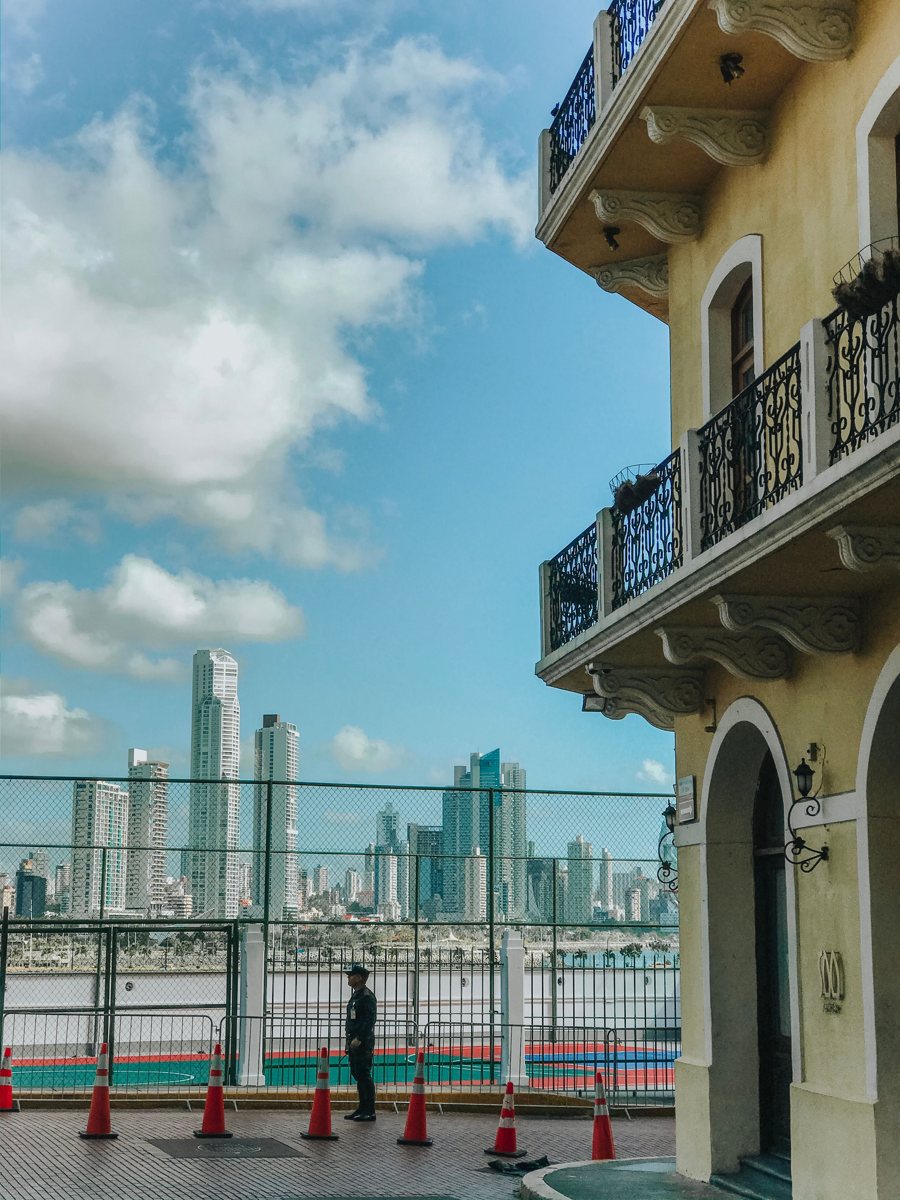 Panama City
The full-service capital — the country's deepest hospital bench and its priciest rents. Asking rent for a 1-bedroom in the centre ran about US$1,277/mo in late September 2026 (Numbeo) — above the pensionado line on its own.
Click here →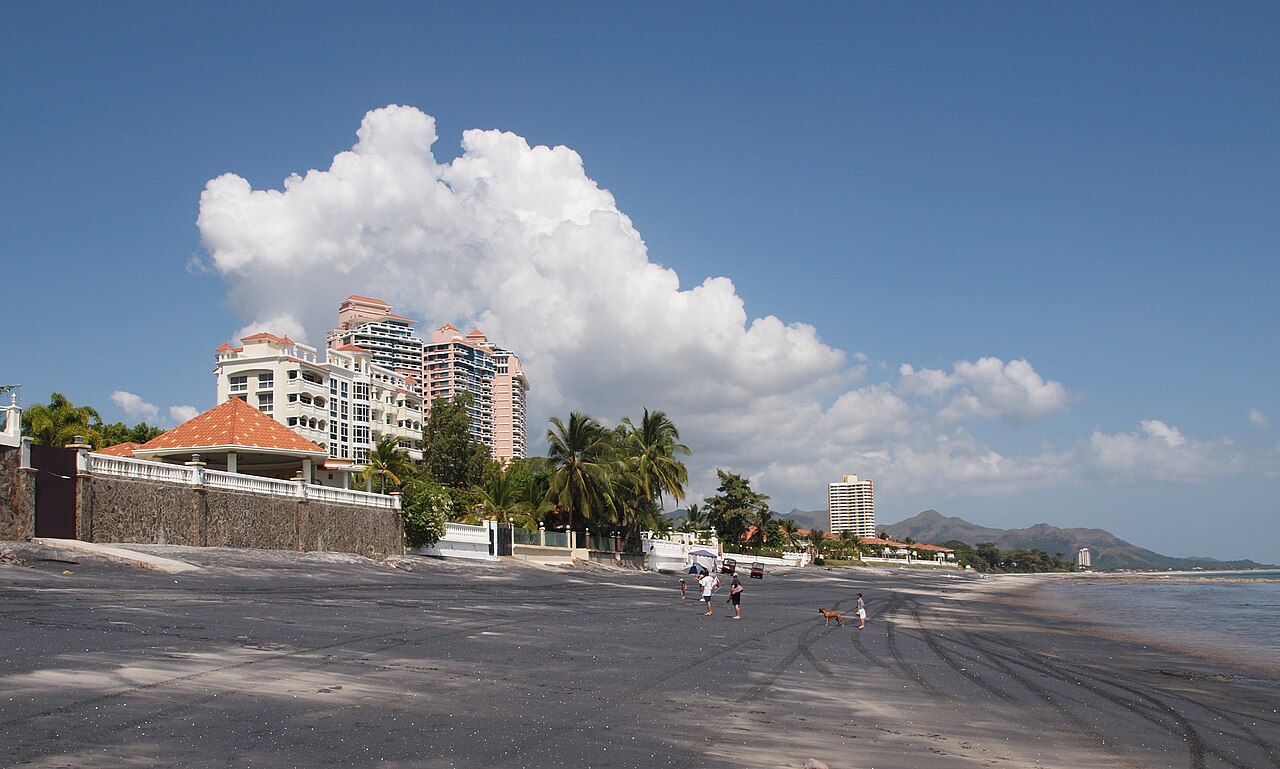 Coronado & Gorgona
Beach-corridor living about an hour from the capital. A Coronado Country Club 2-bedroom listed at US$1,000/mo plus a US$301 condo fee (October 2026); the corridor's long-term range runs US$900–2,000+ (2026 guide).
Click here →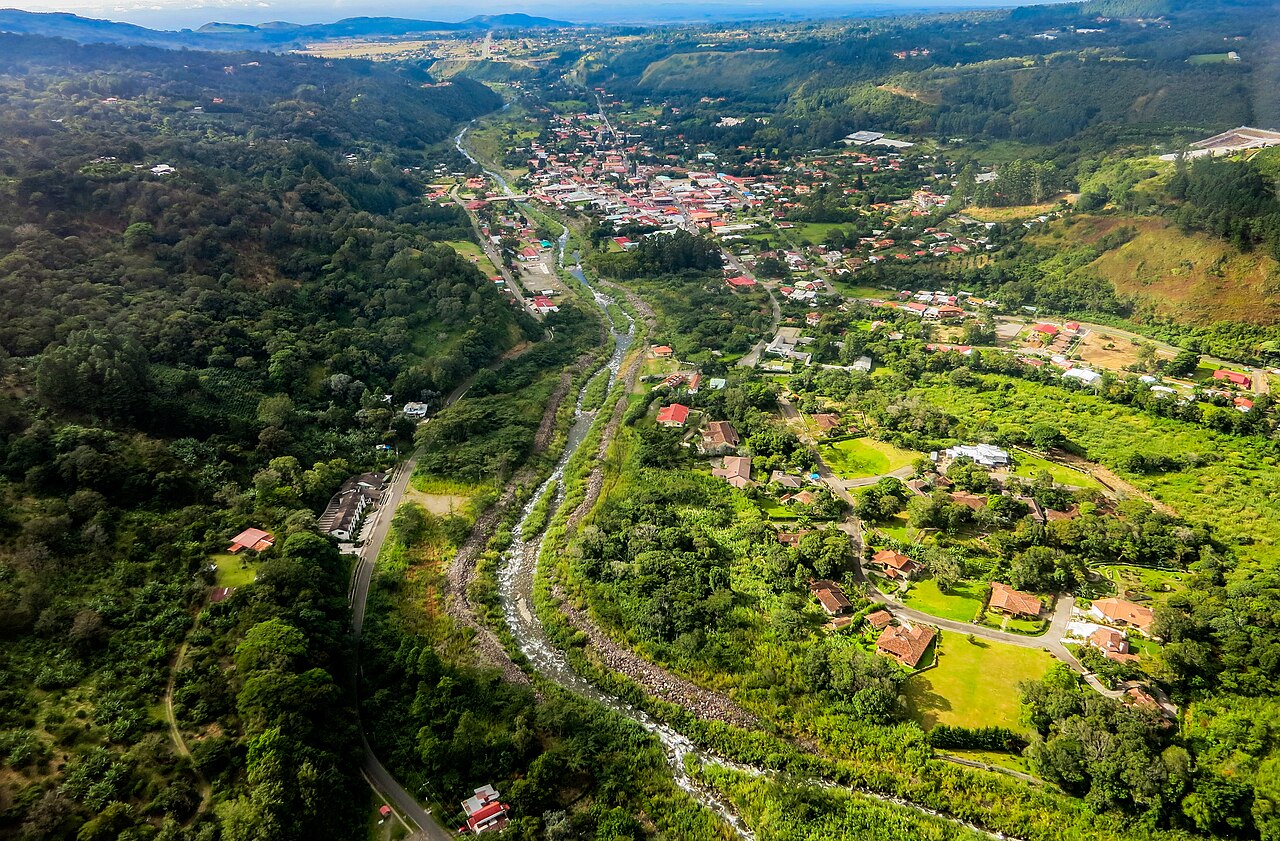 Boquete
Spring-like highlands at about 1,200 m, with the country's best-known expat community. Furnished 2-bedroom houses listed at US$750–1,200/mo (October 2026 listings); hospital care via David, about 40 minutes.
Click here →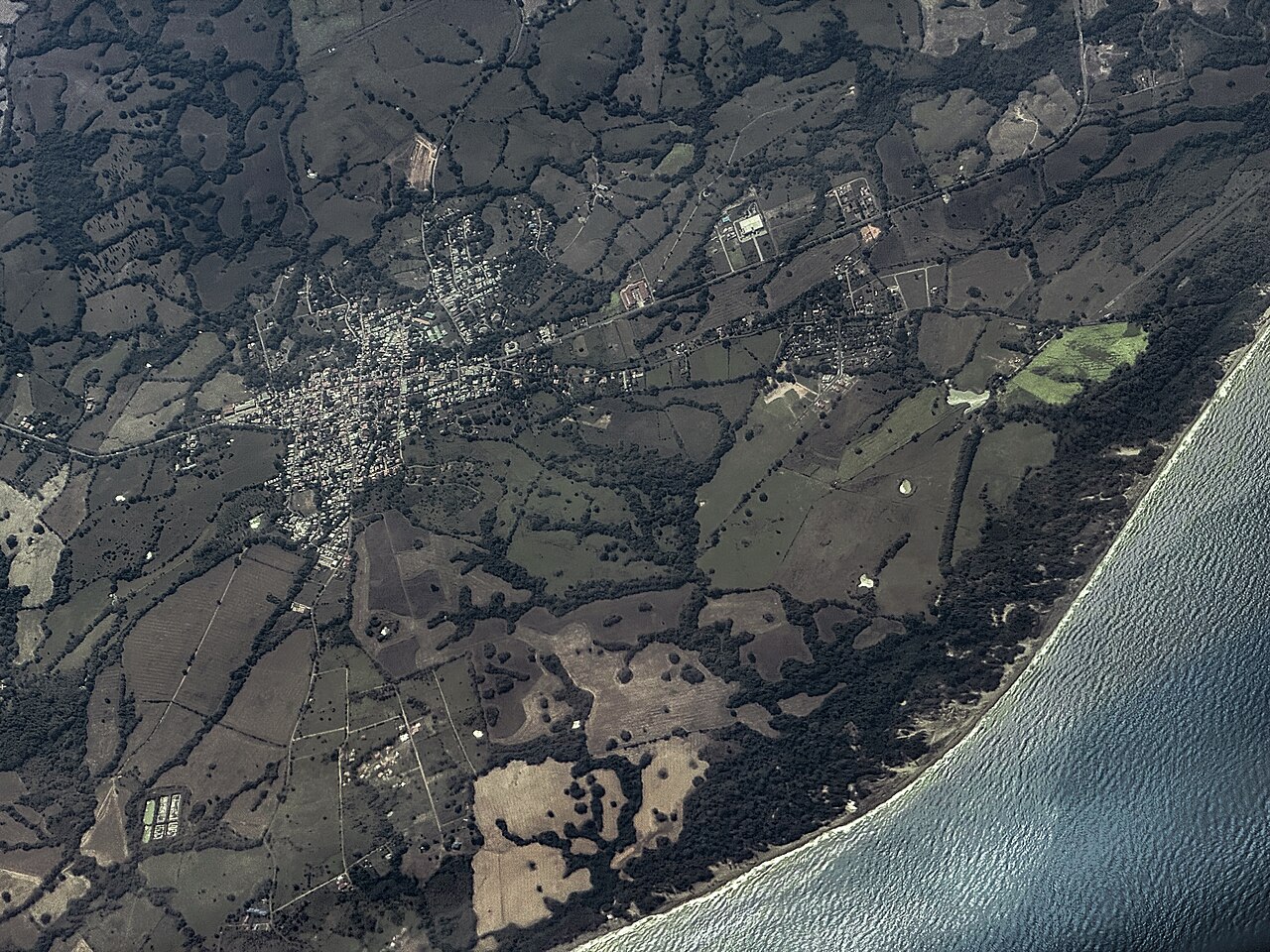 Pedasí
Small-town Pacific coast on the Azuero Peninsula. Rent is a printed gap here: no listing-level sample was captured — only a 2026 guide's US$600–1,200 range for long-term 2-bedroom rentals. Clinic locally; hospital care via Chitré or Las Tablas.
Click here →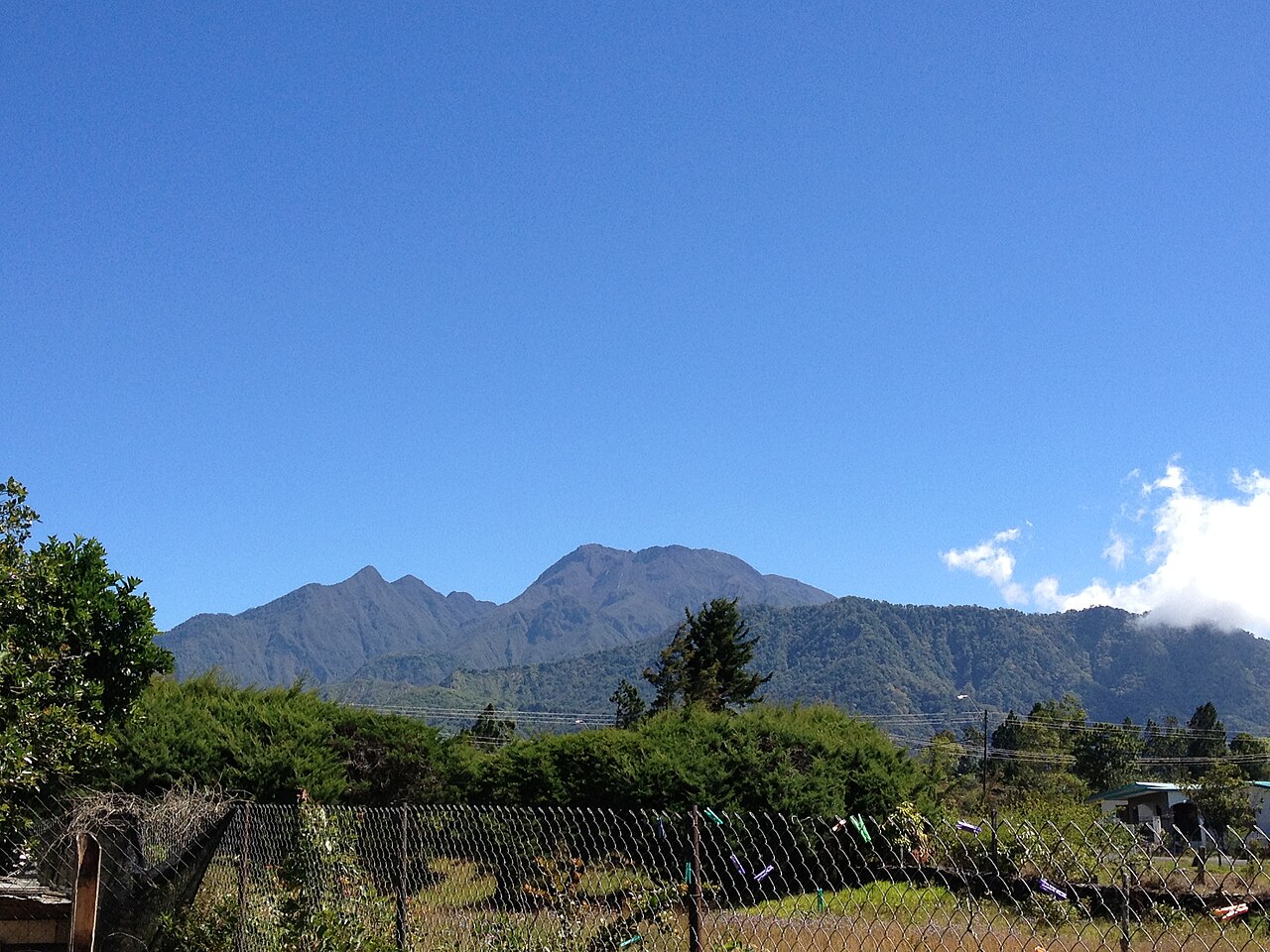 Volcán
The quiet agricultural highlands. A furnished 1-bedroom mountain home listed at US$700/mo including utilities and internet (October 2026); a furnished 3-bedroom cabin at US$500 (September 2026 listing). Private hospital care about an hour away, in David.
Click here →Trivia: did you know?
Quick reasons Panama gets under your skin — every one of them checkable.
The U.S. dollar has been legal tender in Panama since 1904. The balboa exists at par — but only as coins; paper money is dollars.
The United States built the canal between 1904 and 1914. Under the 1977 Torrijos–Carter Treaties, Panama took full control on 31 December 1999.
An interoceanic railway crossed the isthmus in the 1850s — decades before the French canal attempt of the 1880s failed.
Law 6 of 1987 gives eligible residents — including foreign residents — 20% off medicines, 25% off restaurant meals and 50% off entertainment admissions, enforced by the consumer agency ACODECO.
Panama's president serves a single five-year term and cannot be immediately re-elected; the National Assembly has 71 seats.
The pensionado discounts are a separate statute from the pensionado permit — eligibility runs by age and pensioner status, not by holding the permit card.
Inside your dossier
What the $149 actually looks like — a document built around you, not articles for everyone.
Your Panama Relocation Plan
Assembled from your planner answers: household, income, places, timeline.
The pensionado test. Show a lifetime pension of B/.1,000 a month — from a government, an international organization or a private company, already in payment and certified as lifetime — and Panama grants immediate permanent residence. Each dependent adds B/.250 a month; owning Panamanian property over B/.100,000 in your own name lowers the floor to B/.750. Couples may combine pensions to reach the line. (Panamanian legal sources checked 8 October 2026.)
Every figure in your dossier carries its source and its “as of” date — so you can check us before you trust us.
The gap we won't hide: the official SNM pensionado checklist could not be captured from migracion.gob.pa for this edition — your dossier works from the legal-source file and flags the official checklist as the open item it is, instead of dressing secondary copy as official paper.
Vetted contacts — and the gaps, printed
Checked against public sources on 8 October 2026. We list; we never guarantee anyone's work, and nobody pays to be here. This country's contacts gate is PARTIAL — verified where named below, gaps printed where the evidence ran out.
Kraemer & Kraemer — immigration law
Panamanian law firm with a published Pensionado practice and offices in Panama City (Calle 50, PH Plaza 2000) and Boquete (Plaza Los Senderos). Its own page publishes a pensionado price — US$1,050 to pay now, US$1,900 total (firm-published, 8 October 2026; government vs legal fees are not separated there, so get the split in a written quote). info@kraemerlaw.com · +507 310-8688 · Boquete +507 720-6727 · U.S. +1 954 828-2968
The Independent Lawyer — immigration
A Panama immigration practice processing Friendly Nations and Pensionado filings, with practitioner-grade public analysis of both routes. Flag: the signing attorney's name and licence details were not captured from an official page — get them, plus a written fee split, before paying anything. info@theindependentlawyer.com
Retire in Panama — relocation
Panama Expat Relocation Services Inc., based in Boquete: named operators (Oscar, Megan and Rod), a printed company registration, and cross-country relocation tours with after-tour support. The gap, printed: it is a tour-led model, and what it earns when a partner it introduces sells to you is not published — ask in writing. +507 6257-1832 · U.S. +1 786-232-3916
H&R Block Panama — U.S. tax returns
A walk-in U.S. tax-preparation office in Panama City (El Dorado), listed on the brand's own international directory. Verified for the U.S. return only: no Panama-side service was captured, so who handles the Panama side must be settled in the same engagement paperwork. 507-260-1052 · 507-260-1037 · jchu@hrblock.com
Panamá Intermoving & Relocation (PIR) — mover
Panama City international mover stating FAIM (FIDI), IAM and LACMA certifications and 18+ years on its own site — stated there, with the registry check still open on our side. Ask in writing for the named U.S. origin partner and the door-to-door scope split. ventas@panamapir.com · (507) 322-0747 / 322-0745
Panama Pet Relocation — pets
Panama-based pet importer/exporter covering airport reception, veterinary inspection, customs clearance and home delivery across the country, including Boquete, Coronado and Pedasí. IPATA membership is company-stated. info@panamapetrelocation.com
The gaps in this category, printed: no in-country health-insurance broker was verified quoting multiple carriers in writing at ages 65, 70 and 75 for a Panama resident; no tenant-side long-term rental terms (fee, lease registration, residency-domicile acceptance) were captured in Panama City, Coronado or Boquete — every rental lead earns from the property side; no single adviser was verified who both signs the U.S. return and handles the Panama side; and no independent relocation consultant (no tour or property income) met the bar. Listed-but-not-vetted names stay off this page until they do.
Preparation checklist
Tick things off as you accomplish them. Your progress saves on this device only — nobody else sees it.
Decide & scout
Documents
Money & health
Land & settle
Everything you need to prepare your move — in one place
- The interactive planner plus your personal Panama dossier
- Pensionado, Friendly Nations and remote-worker steps — each figure dated and sourced, gaps printed
- Children covered: schooling guidance by your children's ages — and the school-vaccination item flagged as the open capture it is
- Pets covered: bringing your dog or cat — entry rules, the paperwork sequence, airlines and typical costs, by country
- Banking covered: opening a local bank account, moving pension money in, keeping your U.S. accounts healthy, and the FBAR / $10,000 reporting rule
- Place chapters with dated asking rents, and healthcare depth by place
- Vetted contacts: names, contact details, evidence, verification date
- Free updates whenever Panamanian rules change the numbers
- 14-day promise: if it isn't what was described, email us within 14 days — we'll make it right or refund you in full.
Secure checkout powered by Stripe. Access opens as soon as your order confirms.
This page is education, built from public sources checked on the dates shown. It is not legal, tax, or medical advice; visa outcomes and underwriting stay with Panama's Servicio Nacional de Migración, insurers, and your own licensed advisors. Figures marked with a directory or broker name were read from that source; anything we could not verify is printed as a gap.
.jpg)


